

Ethically Sourced Bespoke Jewellery: Provenance & Commissions
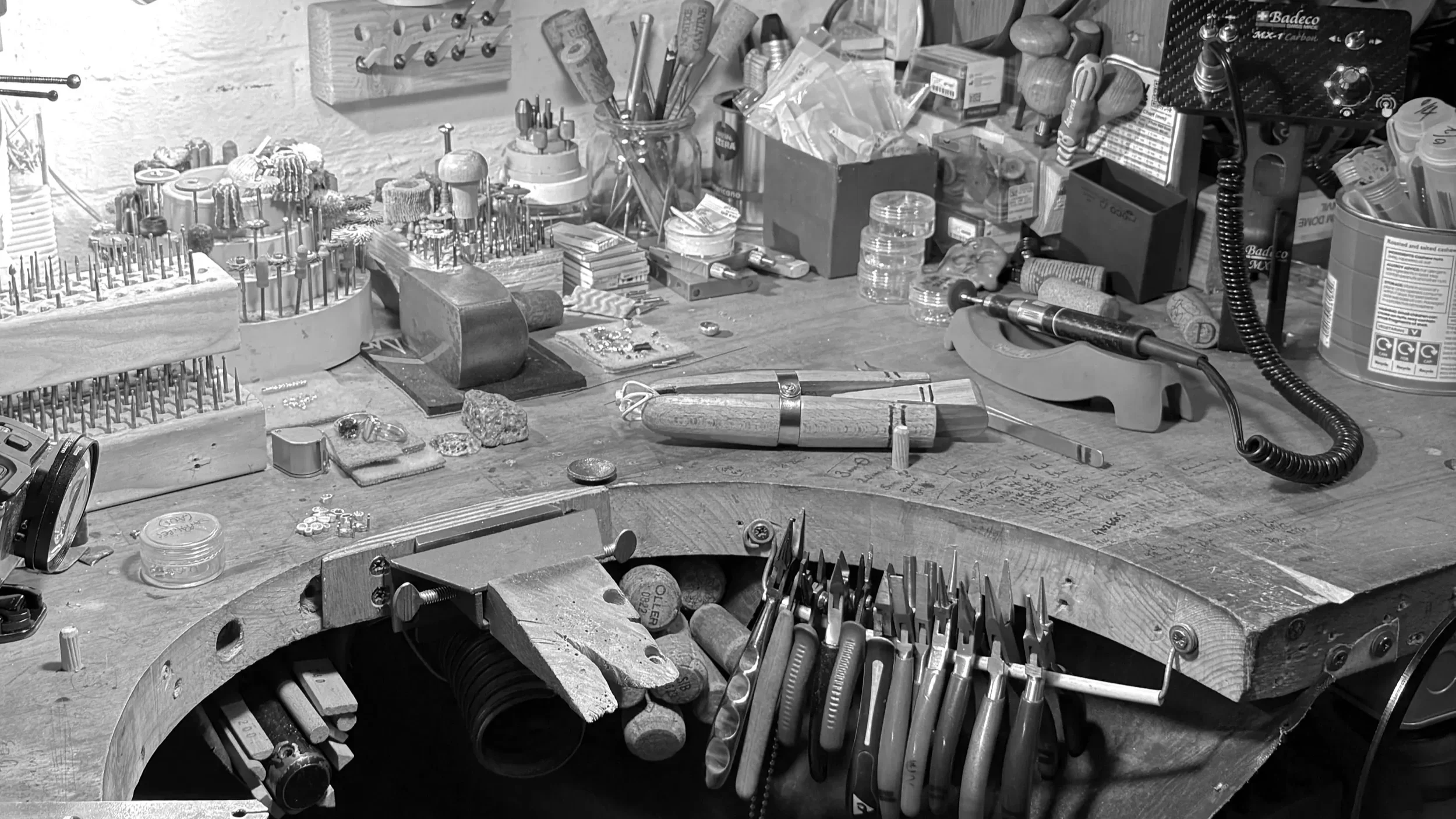
In my workshop, provenance is not a mood or a marketing label. It means one of three specific routes, and I can state plainly which applies to every element of a piece before it leaves the bench:
First, gold traced to a single named mine: SMO Gold (my default precious metal for new commissions).
Second, diamonds recovered by divers rather than conventional mining: Ocean Diamonds.
Third, gold and stones recovered from heirloom or existing jewellery bought whole at auction and broken down by hand—circular goldsmithing.
I am Iain Sainsbury, a goldsmith based in Cambridgeshire. I make bespoke sandcast engagement rings, wedding bands, and fine jewellery, and most commissions begin with a conversation rather than a catalogue listing. Here I set out how each of the three routes works, how they can be combined in a single commission, and how that provenance is recorded in writing.
Bespoke commissions start from £3,000, with consultations available in Cambridgeshire and across the UK.
Why Precision Matters More Than a Broad Label
Broad claims in fine jewellery often hide what is actually known. Some workshops use recycled bullion, keeping existing metal in circulation; others work with certified small-scale mining standards such as Fairmined. Each answers a different question. Recycled bullion addresses whether new metal was extracted for the piece; Fairmined addresses standards within artisanal mining; SMO Gold answers a direct question of origin: which single mine did this specific gold come from?
A single-mine record tells you where the metal originated, though it does not by itself answer every question about how a mine operates—which is why I treat SMO Gold as documented traceability rather than a sweeping guarantee.
When you are commissioning a piece meant to be worn for decades and passed down, clear, verifiable facts matter far more than broad slogans.
Route One: SMO Gold
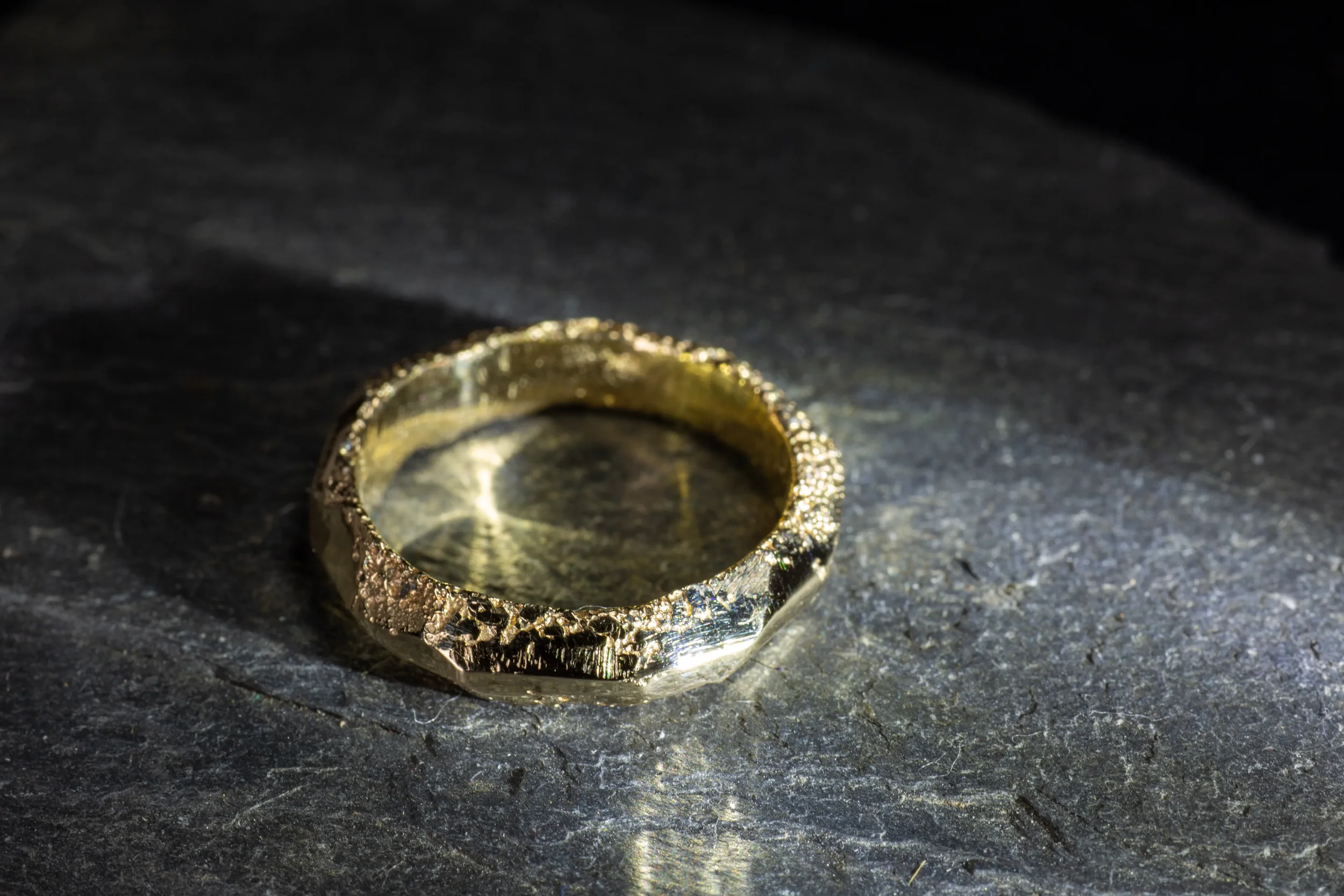
SMO Gold is traced to a single named mine rather than blended with metal from multiple unknown sources. When gold is pooled at a refinery, metal from many origins becomes indistinguishable; SMO Gold maintains a documented chain from extraction through refining to the bench.
It is my default precious metal for new commissions, including high-palladium 18ct white gold (which gives a clean, natural white tone without relying on rhodium plating that wears away). My Sentimental Topography pieces, where sand from a meaningful beach or landscape is cast into the surface of the gold, are made in this metal so that both the physical place and the metal's origin are clear.
For the full technical breakdown, read my Journal guide on traceable gold and Ocean Diamonds.
Route Two: Diver-Recovered Ocean Diamonds
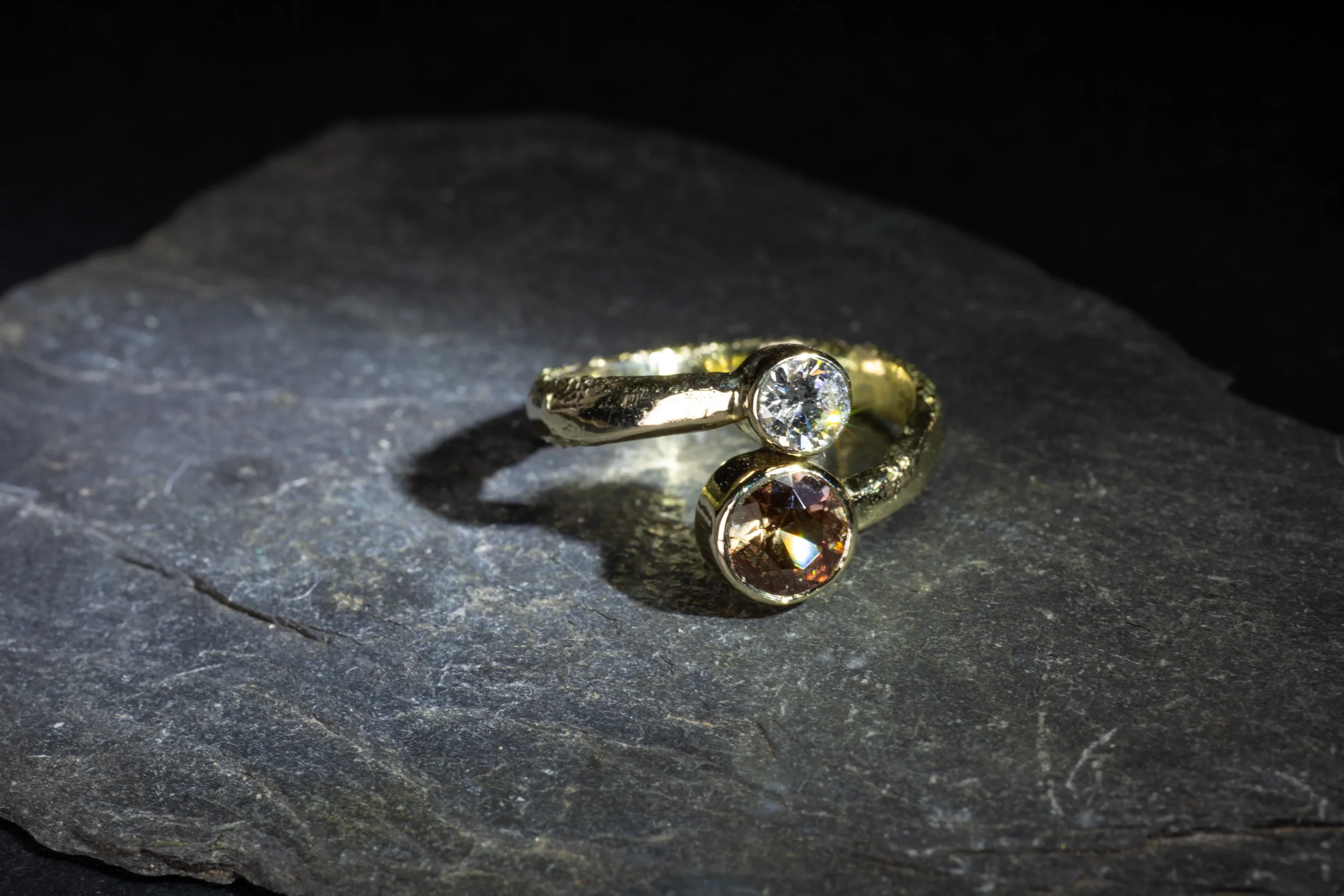
Ocean Diamonds are diver-recovered diamonds with documented recovery records. For a focal stone, knowing how the diamond was recovered changes the character of the piece from a standard commodity specification to a stone with an identifiable recovery history.
Because each diver-recovered diamond has its own proportions, depth, and character, the setting is designed around that specific stone rather than forcing it into a pre-set template.
You can read more about how these stones are sourced and graded in the Journal guide on traceable gold and Ocean Diamonds.
Route Three: Circular Goldsmithing (Recovered Heirloom Gold & Stones)
Alongside SMO Gold and Ocean Diamonds, circular goldsmithing offers a dedicated route for existing jewellery.Rather than buying loose scrap parcels, I buy heirloom or vintage pieces whole at auction and dismantle them by hand at the bench in Cambridgeshire—lifting stones carefully, separating settings, and preparing the metal for reworking.
Re-melting and re-forming whole pieces keeps existing 18ct or other precious alloys in active circulation without new extraction. Stones recovered from older pieces—often antique or old cuts—carry subtle signs of earlier wear and are reset with care suited to their age. The practical trade-off is clear: heirloom metal arrives in its existing alloy and weight, so the design works with what the piece provides rather than starting from an unlimited blank bar.
Mixing the Three Routes in One Commission
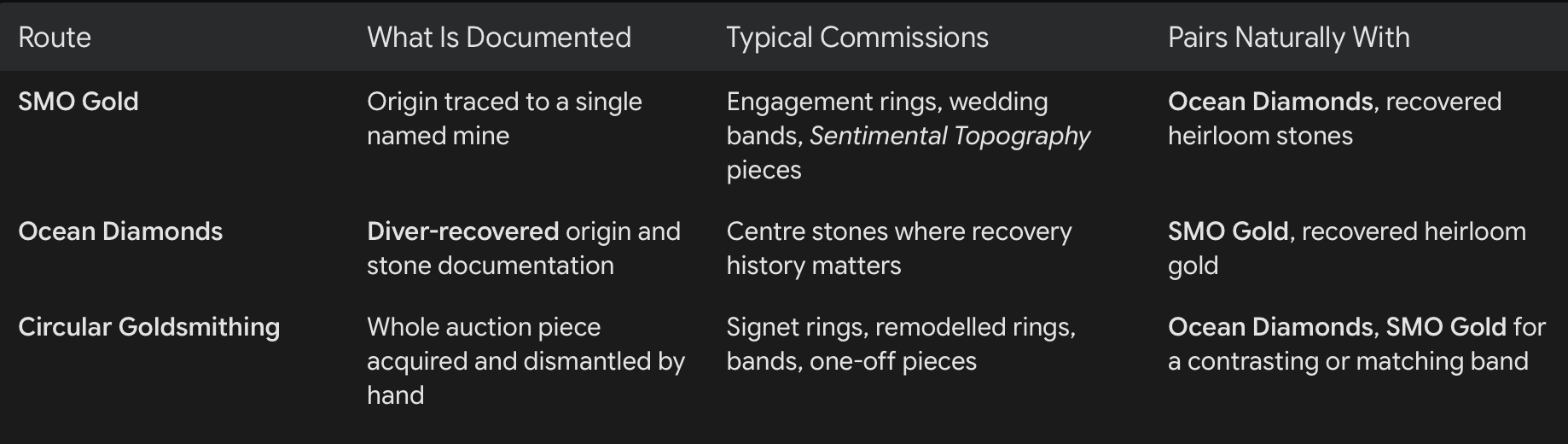
These three routes are separate choices for metal and stones rather than rigid packages, and most commissions combine them deliberately:
How Provenance Is Recorded on Every Piece
Every finished commission leaves with a written description stating the metal, the stones, and the route each took—whether SMO Gold, diver-recovered Ocean Diamonds, or gold and stones recovered from an identified auction piece.Where an earlier history is genuinely unknown—such as an antique stone with no record prior to its setting—that is stated plainly rather than guessed. Accurate documentation supports both personal peace of mind and future valuation or insurance records.
Starting a Bespoke Commission
Commissions begin with a straightforward discussion: the occasion, whether you want SMO Gold, circular goldsmithing, or a combination, whether a diver-recovered diamond or existing stone is involved, and whether a meaningful landscape belongs in the sandcast texture. Existing collections—including METROPOLIS, ATOMIUM, and ENTWINE—can also be tailored to your brief, alongside one-off designs and fitted wedding bands starting from £3,000.
If you are weighing up which route fits your design, timeline, or budget—or have family gold you would like to assess—get in touch to arrange a consultation in Cambridgeshire or online.
Frequently Asked Questions
Is SMO Gold the same as recycled gold? No. Recycled gold returns existing metal to circulation—often as pooled bullion—whereas SMO Gold is traced to a single named mine. Both avoid anonymous, unverified newly mined gold, while documenting different things.
Can we use gold or stones from my own family jewellery? Yes, subject to the metal's alloy, condition, and weight, which shape what can be made cleanly. Where a client does not have family pieces of their own, I also source whole heirloom pieces at auction for circular goldsmithing.
Can I combine SMO Gold with Ocean Diamonds or recovered stones? Yes. Metal and stone choices are made separately—for example, setting a recovered stone into SMO Gold, or pairing diver-recovered Ocean Diamonds with recovered heirloom gold—and each choice is recorded accurately in the piece's description.
What will the provenance description say when my commission is finished? It names the gold, the stones, and the sourcing route for each element—such as SMO Gold, diver-recovered Ocean Diamonds, or a specific auction piece dismantled by hand—and notes explicitly if a stone's earlier history is unknown.